
In support of world-class discipline development, broadening students’ international perspectives, and enhancing their global communication competencies, a delegation of 20 Ph.D. students from the College of Mechanical Engineering at Zhejiang University embarked on an academic exchange visit to Japan from August 17 to 24, 2025.
During the visit, the delegation engaged in academic exchanges with faculty members and research teams from the University of Tokyo and Kyoto University, holding in-depth discussions on cutting-edge topics such as embodied intelligence, radiative cooling, and micro/nano fabrication. The delegation also visited Expo 2025 Osaka and the National Museum of Emerging Science and Innovation (Miraikan) in Tokyo, gaining insights into global visions for humanity’s future.
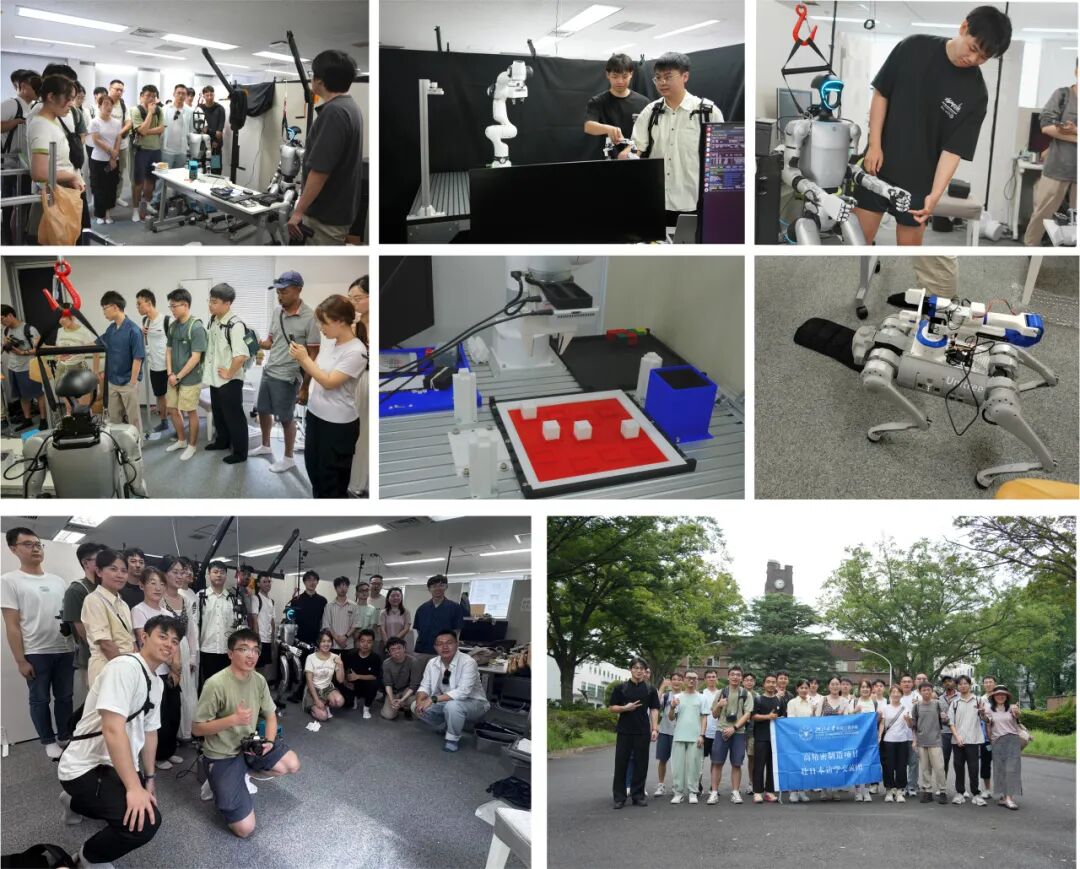
On the evening of August 17, the delegation arrived in Tokyo. The following day, they visited the Matsuo-Iwasawa Embodied Intelligence Laboratory, where they observed live demonstrations of state-of-the-art technologies—including vision-free, proprioception-based reinforcement learning robotic dogs, Unitree humanoid robots, and teleoperation systems—experiencing firsthand the innovative outcomes of Sino-Japanese scientific and technological collaboration.
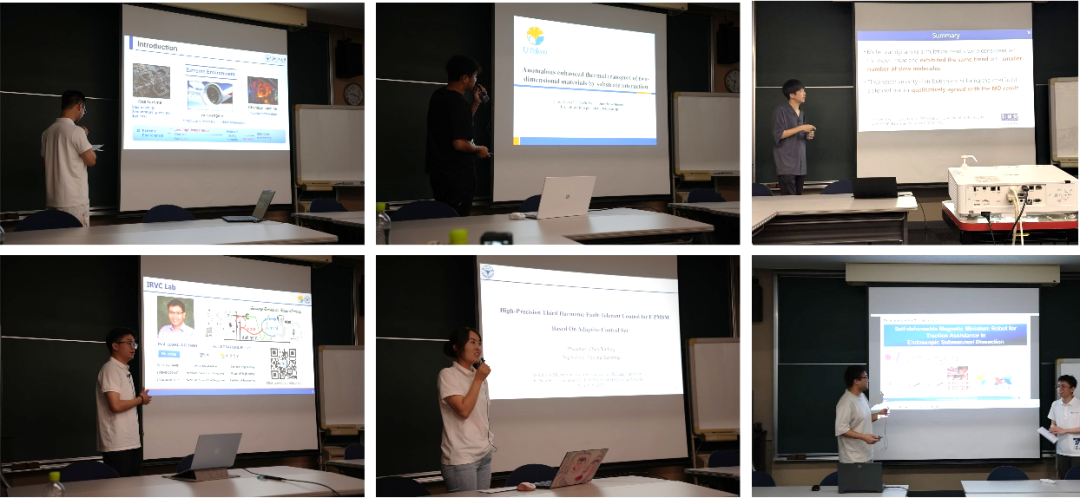
On the morning of August 19, the delegation visited the main campus of the University of Tokyo to attend the UTokyo-ZJU ME Workshop 2025. Professor Yuji Suzuki, Chair of the Department of Mechanical Engineering at the University of Tokyo, delivered a welcome address, extending a warm welcome to the faculty and students from Zhejiang University.
During the workshop, Ph.D. students from both universities presented their latest research findings: Jie Sun, Kohei Sato, and Bolan Zhang from the University of Tokyo reported on topics including molecular dynamics, heat transfer mechanisms, and thermal flow sensors, while Yu-Yu Hou, Jun Long, and Xinling Chen from Zhejiang University presented their work on micro-robotics and related areas. These presentations were followed by lively discussions and in-depth academic exchanges among all participants.
Professor Shigeo Maruyama delivered closing remarks, expressing his hope for the continued deepening and steady advancement of collaboration between the College of Mechanical Engineering at Zhejiang University and the Department of Mechanical Engineering at the University of Tokyo.
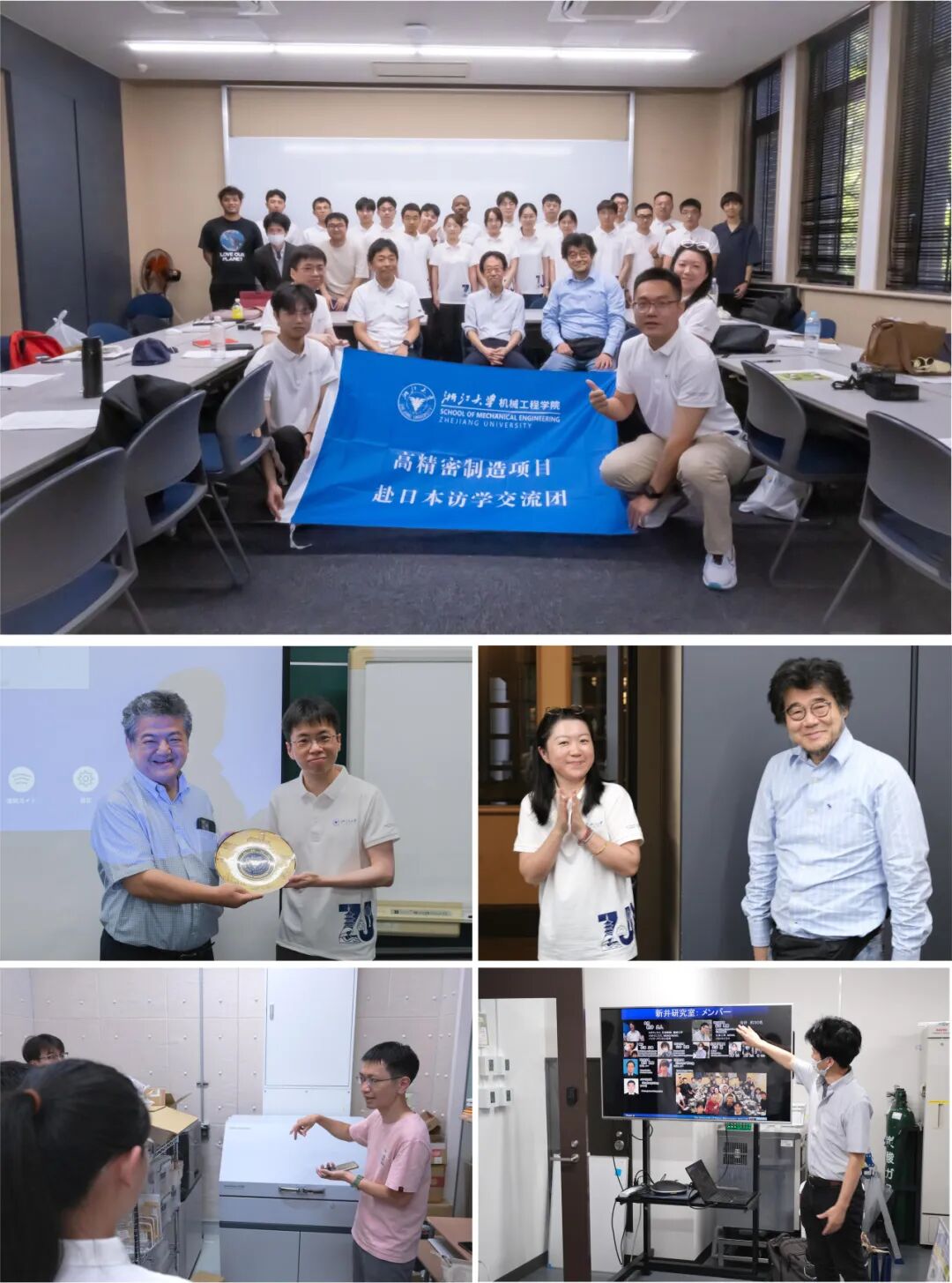
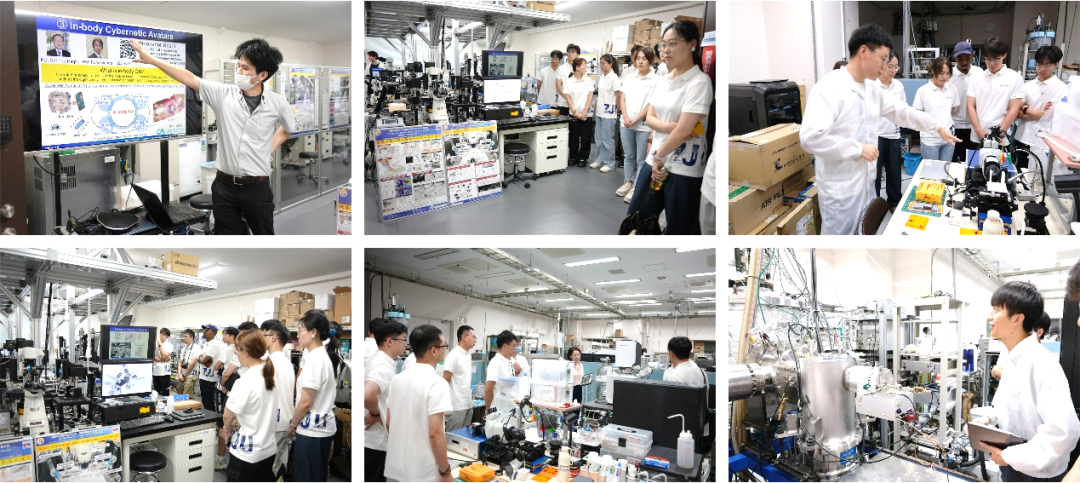
Following the workshop, the delegation toured several laboratories in sequence: the Fumihito Arai Laboratory (focusing on bio-microrobotics, cell separation, and microfluidics), the Kinefuchi Laboratory (specializing in molecular dynamics research equipment), and the Shiomi Laboratory (dedicated to metamaterial design, radiative cooling, and micro/nano fabrication). The delegation also visited the cleanroom and micro/nano fabrication facilities of the Department of Mechanical Engineering at the University of Tokyo.
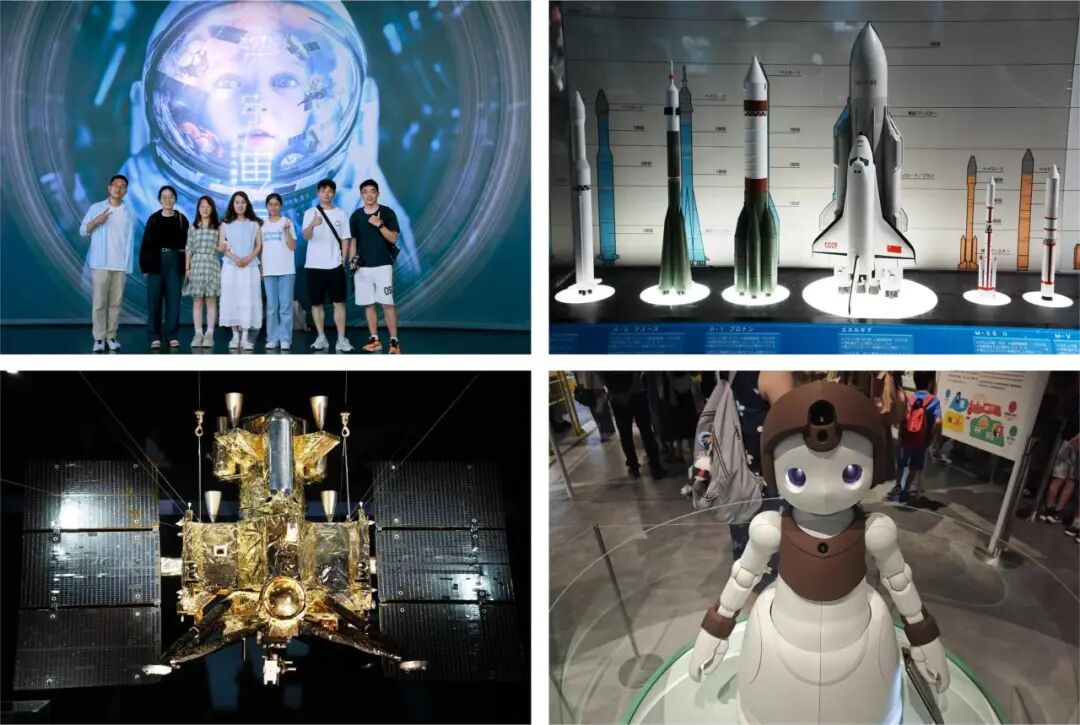
On August 20, the delegation visited the National Museum of Emerging Science and Innovation (Miraikan) in Japan.
From August 21 to 22, the delegation traveled to Kyoto and began their visit at Kyoto University’s renowned Institute of Advanced Energy, where they toured the world-leading plasma accelerator laboratory in person.
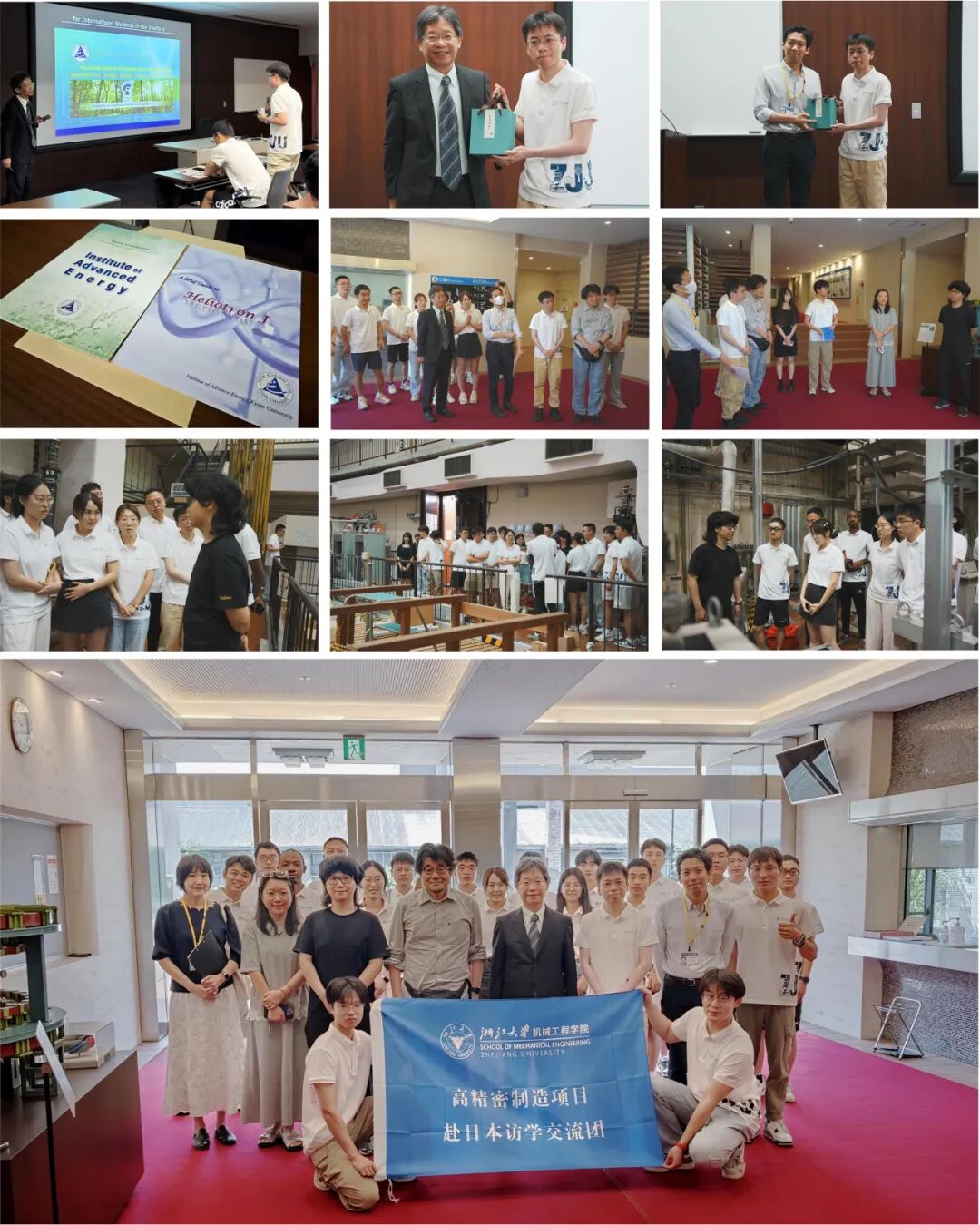
Under the guidance of Professor Masato Katahira, Director of the Institute, and other faculty members, the delegation gained an in-depth understanding of the institute’s research strategy and its sense of mission, and was deeply impressed by its pioneering work in the fields of “zero-carbon emissions” and “carbon-negative energy.” This visit significantly broadened the students’ academic horizons and further inspired profound reflection—and a sense of awe—regarding interdisciplinary integration and innovation.
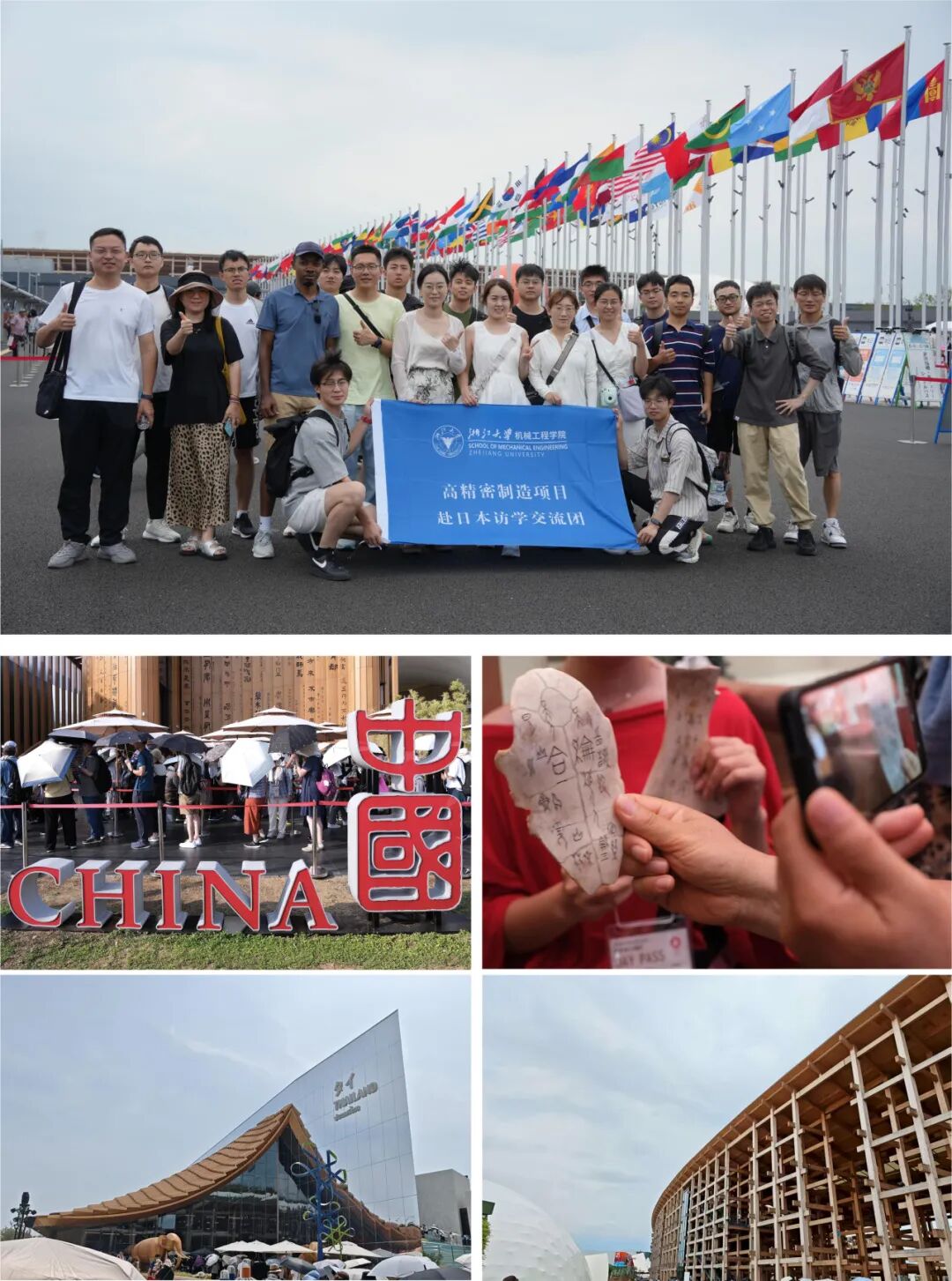
On August 23, the delegation traveled to Osaka to visit the “Yumeshima” site of Expo 2025 Osaka Kansai, where they specially attended forward-looking exhibitions. Within the Expo grounds, national pavilions showcased cutting-edge designs and interactive exhibits centered on themes such as future cities, sustainable development, and technological innovation, vividly illustrating how science and technology drive academic advancement, enhance human well-being, and shape future societies. Through immersive experiences of diverse technological philosophies from around the world, the delegation gained a deeper appreciation of the pluralistic pathways and collaborative trends in global scientific development, acquiring fresh insights into the future of worldwide technological progress.
On August 24, the delegation departed for home, marking the successful conclusion of a week-long high-precision manufacturing study visit. The itinerary was intensive yet highly rewarding, encompassing Japan’s leading universities, research institutions, and science exhibition venues. Throughout the trip, faculty and students gained deep insights into scientific innovation and the legacy of scholarly spirit within a multicultural context.
The College will continue to expand international collaboration channels and further advance academic cooperation and technological innovation toward higher levels of excellence.
Photo: Publicity Team of the Exchange Delegation
Text: Liu Weijie, Hou Yuyu