
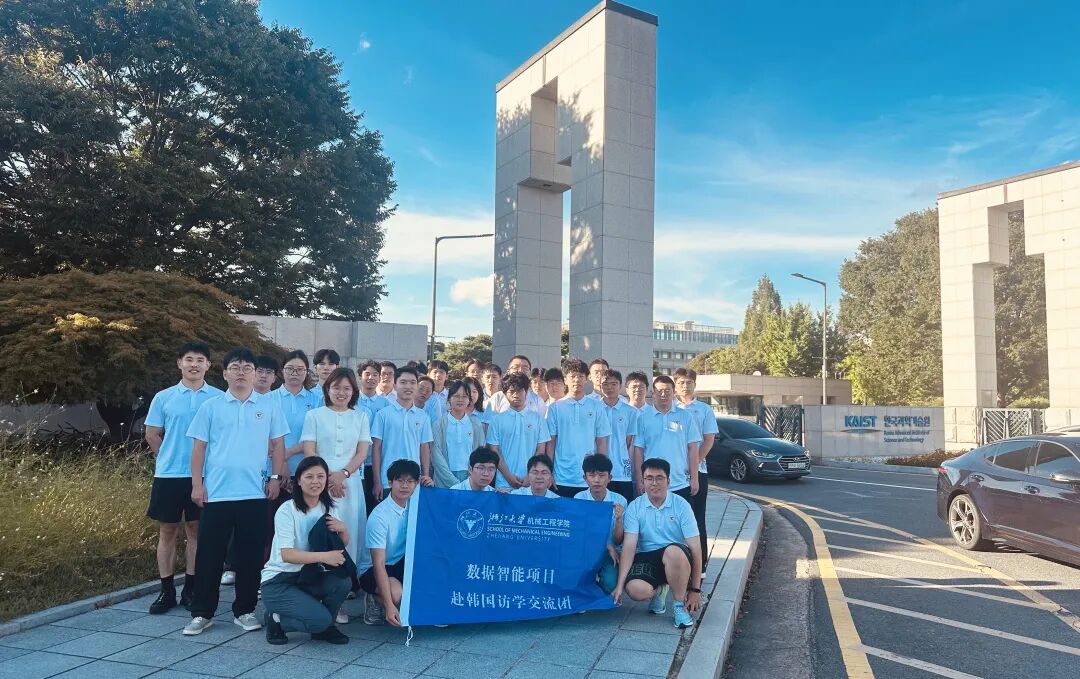
In an effort to deepen academic exchanges between Chinese and Korean universities in the field of mechanical engineering, promote mutual learning of industry-academia-research integration practices, and enhance the global perspective and interdisciplinary innovation capabilities of faculty and students, the Data Intelligence Study Abroad Delegation from the School of Mechanical Engineering, Zhejiang University, conducted a six-day exchange program in Korea from August 26 to 31, 2025. The delegation visited Hanyang University, Seoul National University, the Korea Advanced Institute of Science and Technology (KAIST), and the National Museum of Korea in Seoul. Through a diverse array of activities—including academic lectures, laboratory tours, and cultural immersion experiences—the program offered participants a rich and multifaceted learning journey, further strengthening the bridge for Sino-Korean academic collaboration and cultural exchange.
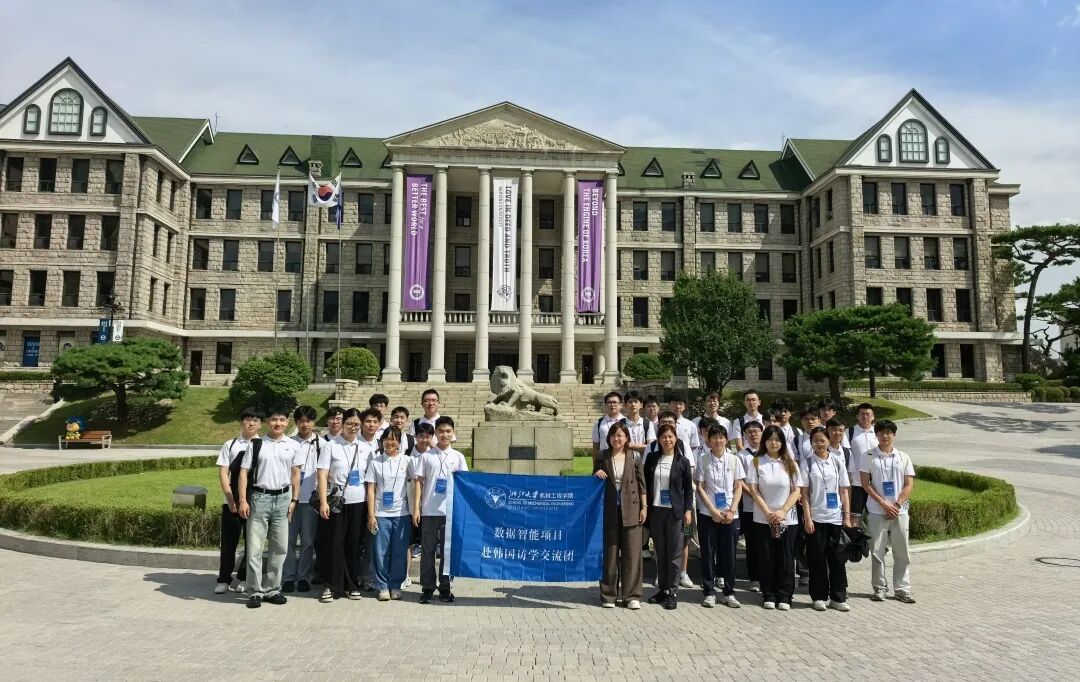
The delegation’s first stop was Hanyang University, widely regarded as the “cradle of Korean engineers.” On August 27, the exchange program commenced with its inaugural academic event at the Chung Mong-Koo Automotive Research Center on campus. Both sides delivered brief introductions covering their respective disciplinary structures, research focuses, and talent development models, quickly fostering mutual understanding and laying a solid foundation for further exchange.
During the academic session, Professor Song Xiuju from Zhejiang University presented a systematic overview of flexible sensing and soft actuator technologies, highlighting their promising applications in human-machine integration. She also showcased the team’s self-developed high-performance flexible sensors and soft robotic systems, which sparked enthusiastic discussion. Professor Hu Weifei followed with a presentation on the integration of digital twin and artificial intelligence technologies, sharing representative case studies of their application in the design, manufacturing, and operation & maintenance of large-scale wind turbines. His talk vividly illustrated how AI empowers the transformation and upgrading of traditional industries.
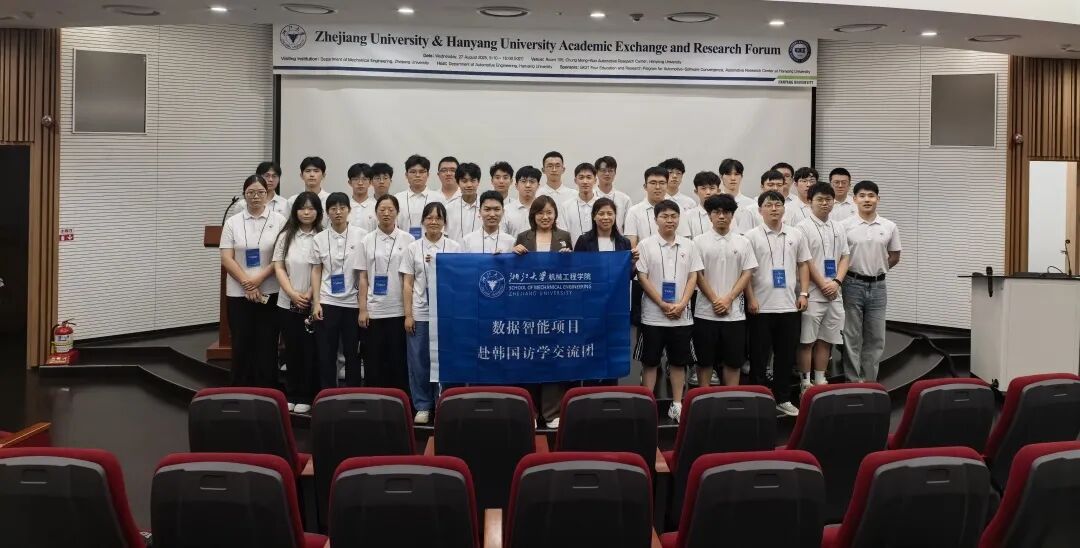
As hosts, the faculty team from Hanyang University shared their latest research achievements. Professor Kyoungseok Han presented his work on “Interactive Perception, Decision-Making, and Control for Autonomous Vehicles,” innovatively integrating optimal control theory with reinforcement learning to address the challenges of autonomous decision-making in complex traffic scenarios. Professor Dongjin Lee focused on “Design under Uncertainty,” systematically introducing optimization methodologies for developing ultra-high-reliability vehicle systems. His research offers significant insights for enhancing the robustness and safety of engineering systems.
Through this academic exchange, the delegation gained a deep appreciation of how Hanyang University’s research aligns closely with the needs of the automotive industry and modern industrial applications. Leveraging the BK21 FOUR initiative and the Chung Mong-Koo Automotive Research Center, the university has established an efficient, integrated industry-academia-research collaboration system. Its application-driven research model provides valuable inspiration for the development of relevant disciplines at our institution.
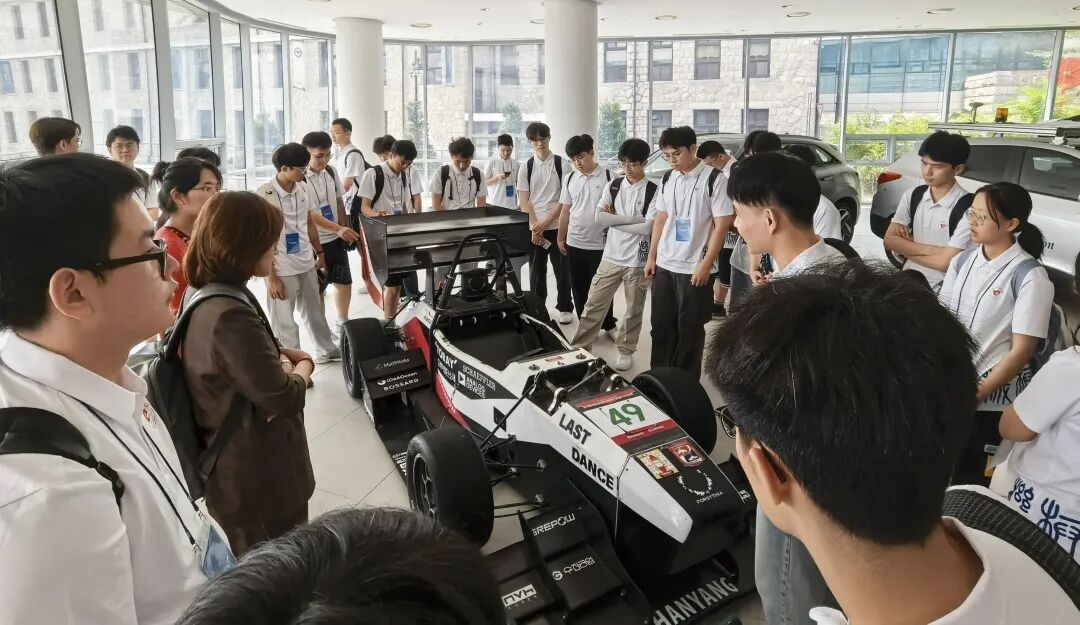
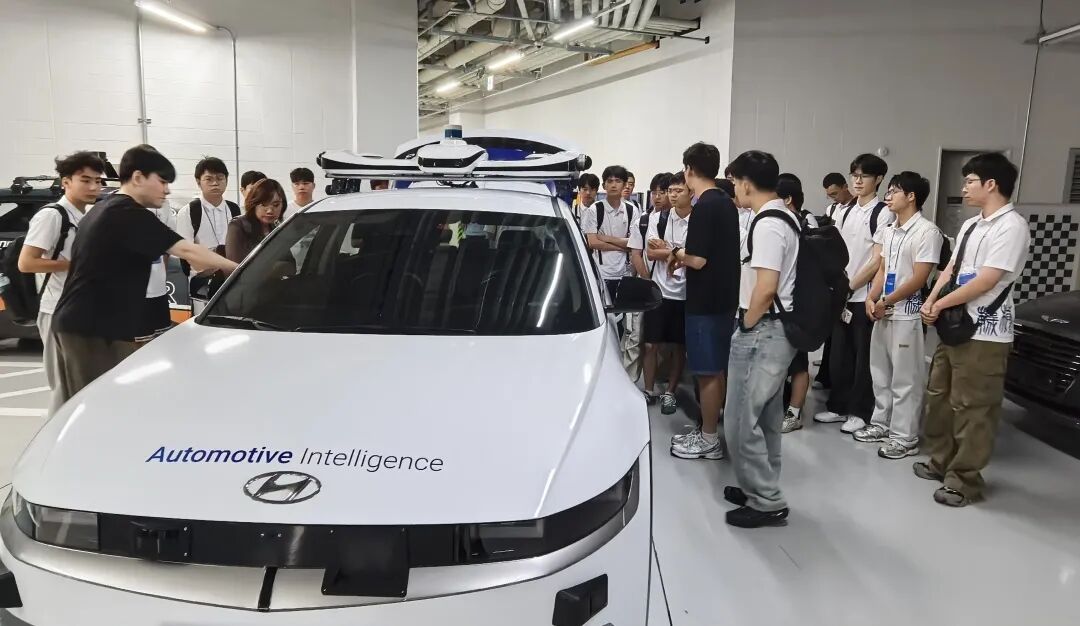
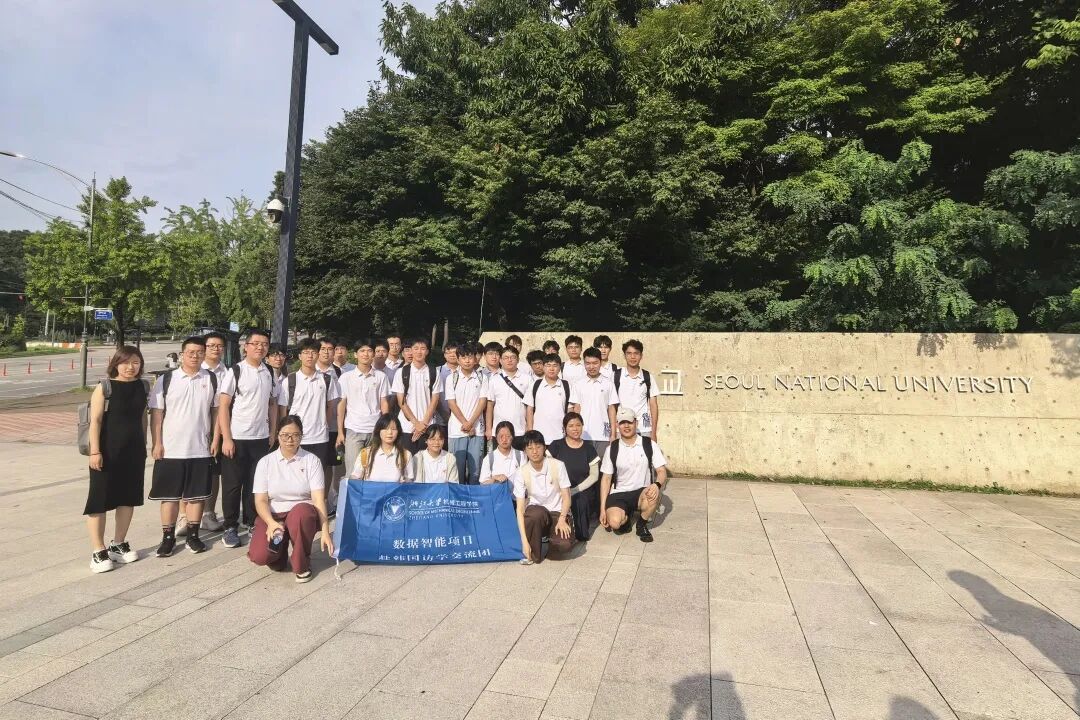
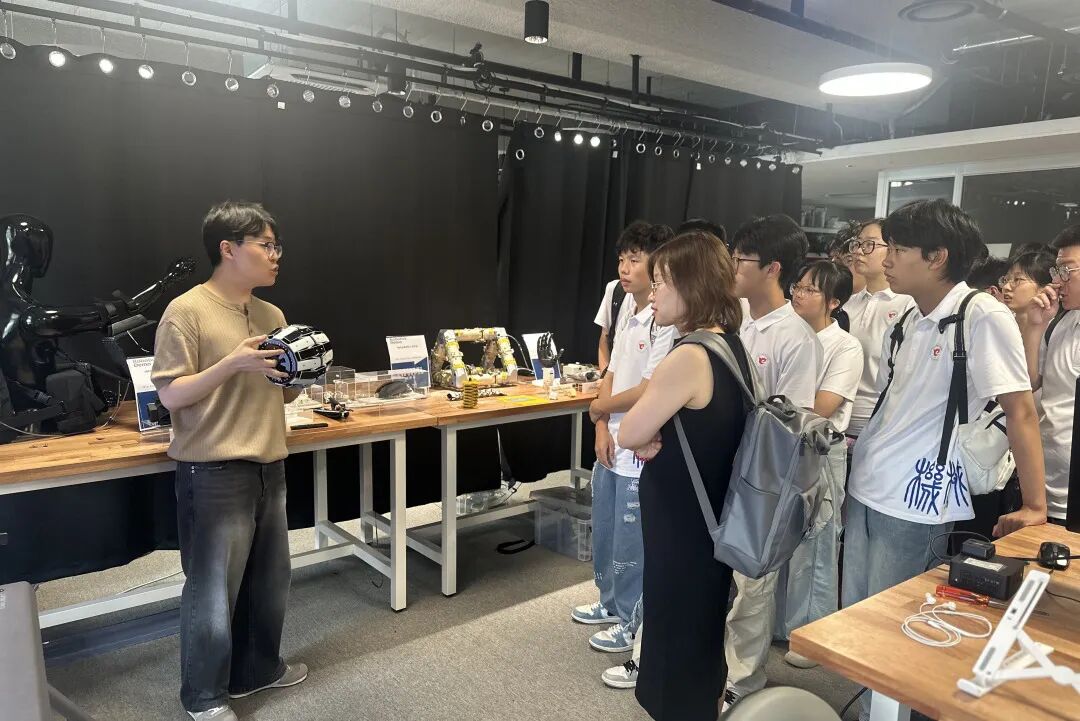
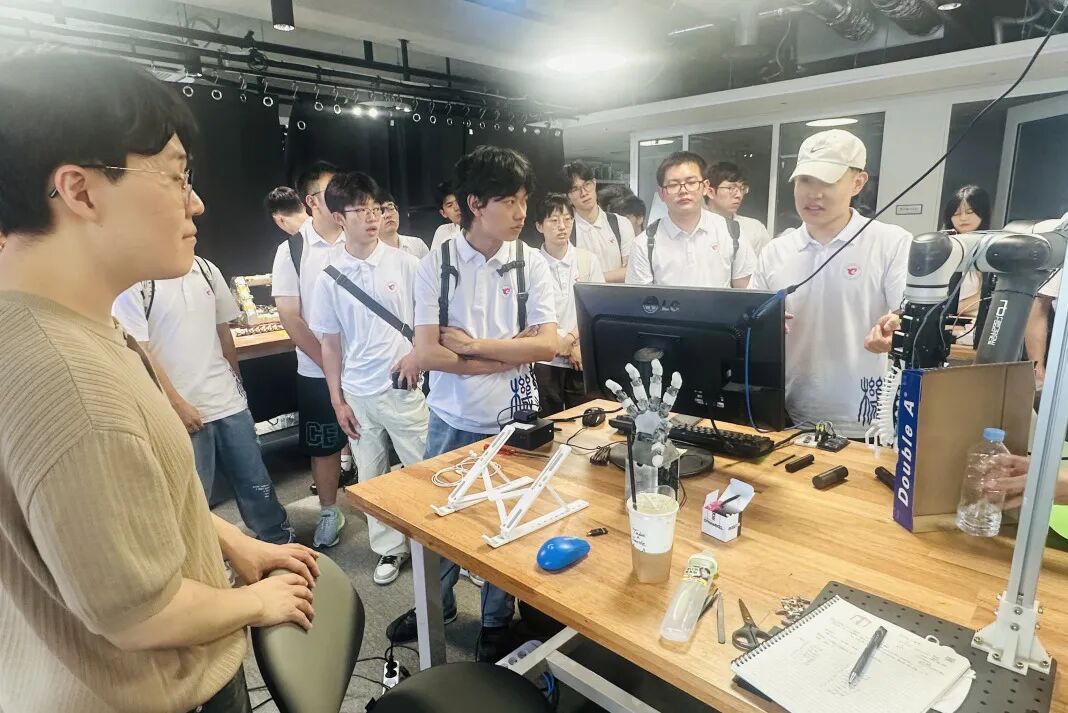
On August 28, the delegation visited the Department of Mechanical Engineering at Seoul National University and toured the Bio-Robotics Laboratory. Professor Kyujin Cho’s research group has long been dedicated to human-centric soft robotics and robotic grasping technologies. The team has consistently advanced breakthroughs in key technical challenges related to “dexterous robotic manipulation of complex objects,” particularly in areas such as biomimetic design of anthropomorphic hands, adaptive intelligent perception, and control algorithms. Guided by a research philosophy that emphasizes both focused breakthroughs and broad interdisciplinary expansion, the group has achieved deep expertise while maintaining a wide academic horizon—exemplifying a rigorous “precision engineering” ethos.
This visit provided delegation members with deeper insights into cutting-edge innovations in mechanical engineering and laid a solid foundation for future collaboration between the two institutions in the field of robotics.
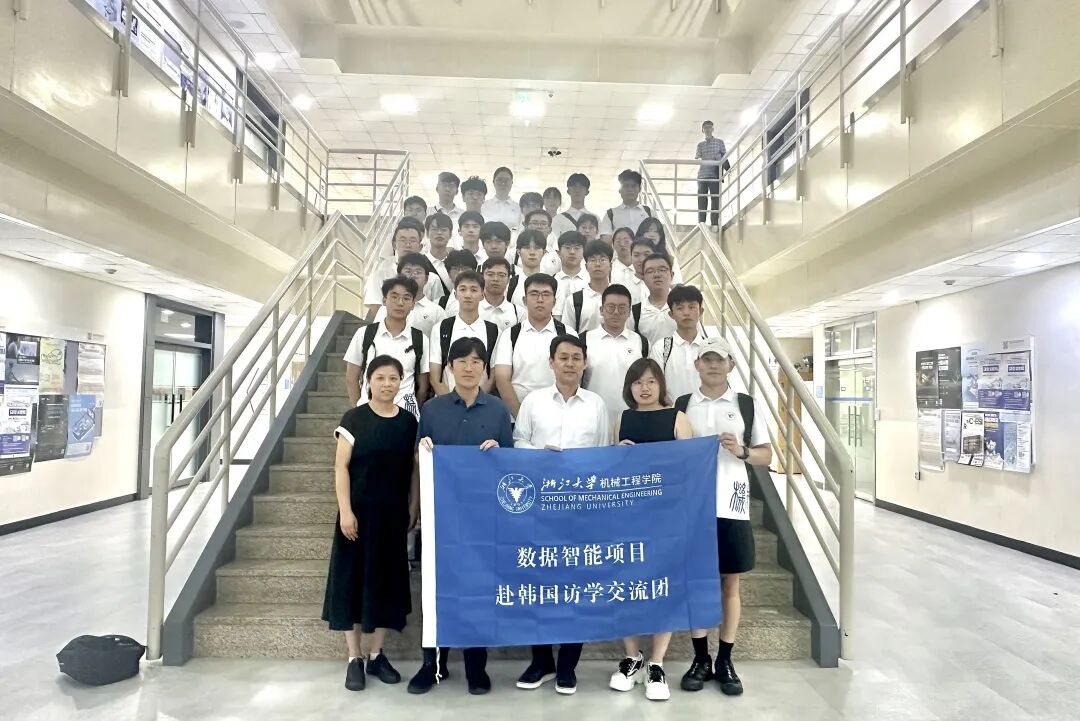
On August 29, the delegation visited the Korea Advanced Institute of Science and Technology (KAIST) for an academic exchange. Known for its strong emphasis on engineering, KAIST offered participants an “academic feast oriented toward the future.”
At the Department of Mechanical Engineering, Professor Noh Minkyun and Professor Song Xiuju presented overviews of their respective institutions’ research strengths, reinforcing the foundation for bilateral collaboration. This was followed by a series of six consecutive cutting-edge academic presentations by KAIST researchers:
- Professor Kim Jitae on “Application of 3D Printing Technologies in Anti-Counterfeiting”;
- Dr. Junhyeong Lee on “PRISM-AI: An AI-Integrated Reality Platform for Smart Manufacturing”;
- Dr. Bumsoo Park on “‘From Physics to Data’: Decoding the Logic of AI Applications in Modern Engineering”;
- Dr. Sunwoong Yang on “Applications of AI in Aerodynamic Simulation and Design”;
- Dr. Mingyu Lee on “Innovative Design Optimization in Industrial Applications.”
The visit gave the delegation profound insight into KAIST’s research ethos—centered on fundamental breakthroughs and driven by frontier technologies. The institute’s forward-looking strategic planning and innovative spirit offer valuable inspiration for our school’s ongoing efforts to promote interdisciplinary integration and foster innovation.
On August 30, the delegation visited the National Museum of Korea, concluding their academic journey with a meaningful cultural experience. From exquisitely decorated ancient ceramics and historical calligraphy and paintings that embody Korea’s cultural memory, to finely crafted metal artifacts and contemporary art exhibitions, participants gained a profound appreciation of the intrinsic synergy between scientific innovation and humanistic heritage. They recognized that technological advancement in engineering is deeply nourished by cultural depth and enriched through cross-cultural and transnational exchanges—ultimately serving the fundamental goal of advancing human civilization.
This academic visit to Korea enabled faculty and students to gain in-depth insights into cutting-edge developments at Korean universities in fields such as mechanical engineering, automotive technology, and artificial intelligence. Through academic dialogues and cultural engagement, the delegation accumulated valuable experience in interdisciplinary and intercultural collaboration. The trip has further strengthened the School’s academic ties with leading Korean institutions—including Hanyang University, Seoul National University, and KAIST—and laid a solid foundation for establishing regularized joint talent development programs and collaborative research initiatives.
Pic:Zehan Lu,Zhangkai Wang
Word:Kejing Cao,Zhengyang Ye