
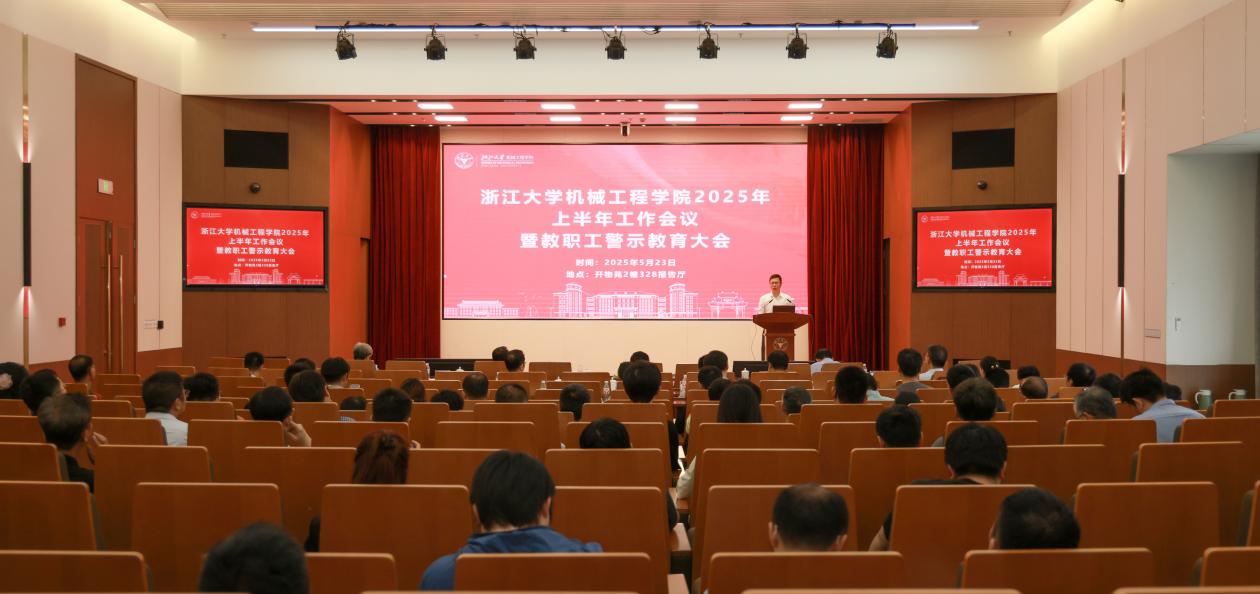
In the important phase of deeply implementing the spirit ofthe Party's eight-point frugality code,to further enhance the professional ethics and work style of faculty and staff in the Mechanical Engineering School, and to strengthen the ideological defense against corruption, on the afternoon of May 23rd, the conference was successfully held at Kaiwu Garden in the Zijingang Campus. The conference invited Deputy Director Zhang Wei of Zhejiang University’s Confidentiality Office, Deputy Minister Xu Jie of the Party Committee's Department of Teacher Affairs, Deputy Director Fang Yansheng of the Planning and Finance Department, and Secretary of the Party Committee and Vice Dean Liu Zhenyu of the Mechanical Engineering School to deliver special reports. All members of the school's party and administrative leadership team, as well as the heads of research institutes attended the meeting. More than 170 faculty representatives and all faculty party members participated in the meeting, which was presided over by Deputy Secretary of the Party Committee Yu Lei.
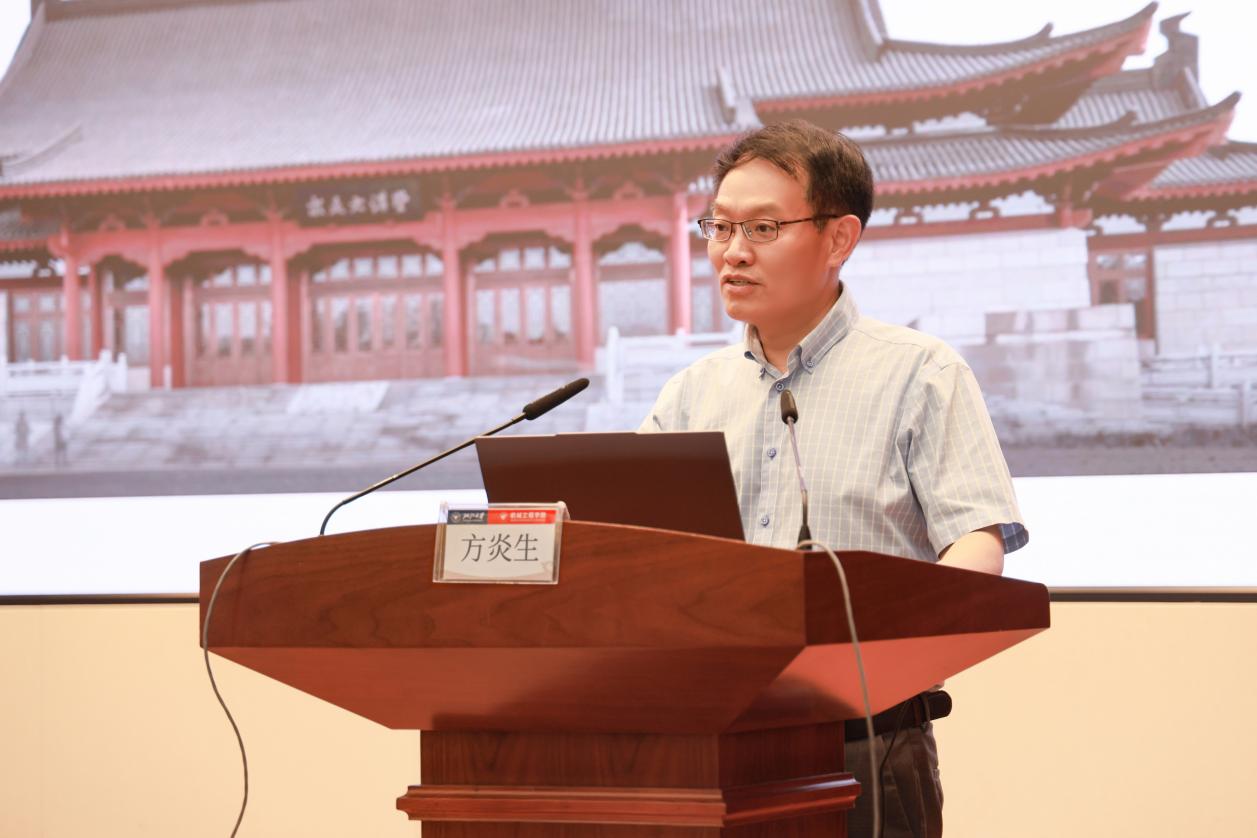
Fang Yansheng delivered a special report titled "Strengthening Risk Prevention and Control, Serving and Guaranteeing High-Quality Scientific Research Development." He systematically explained the reimbursement standards for key scientific research fund expenditures such as meeting fees, travel expenses, and labor fees, and proposed special rectification measures for existing problems. In the report, he analyzed typical cases of improper use of scientific research funds in universities, emphasizing the importance of reviewing and supervising the use of funds. The school should actively guide, strictly review, strengthen warning education, and lead all faculty and staff to use scientific research funds more scientifically, efficiently, and reasonably, providing solid guarantees for high-quality scientific research development.
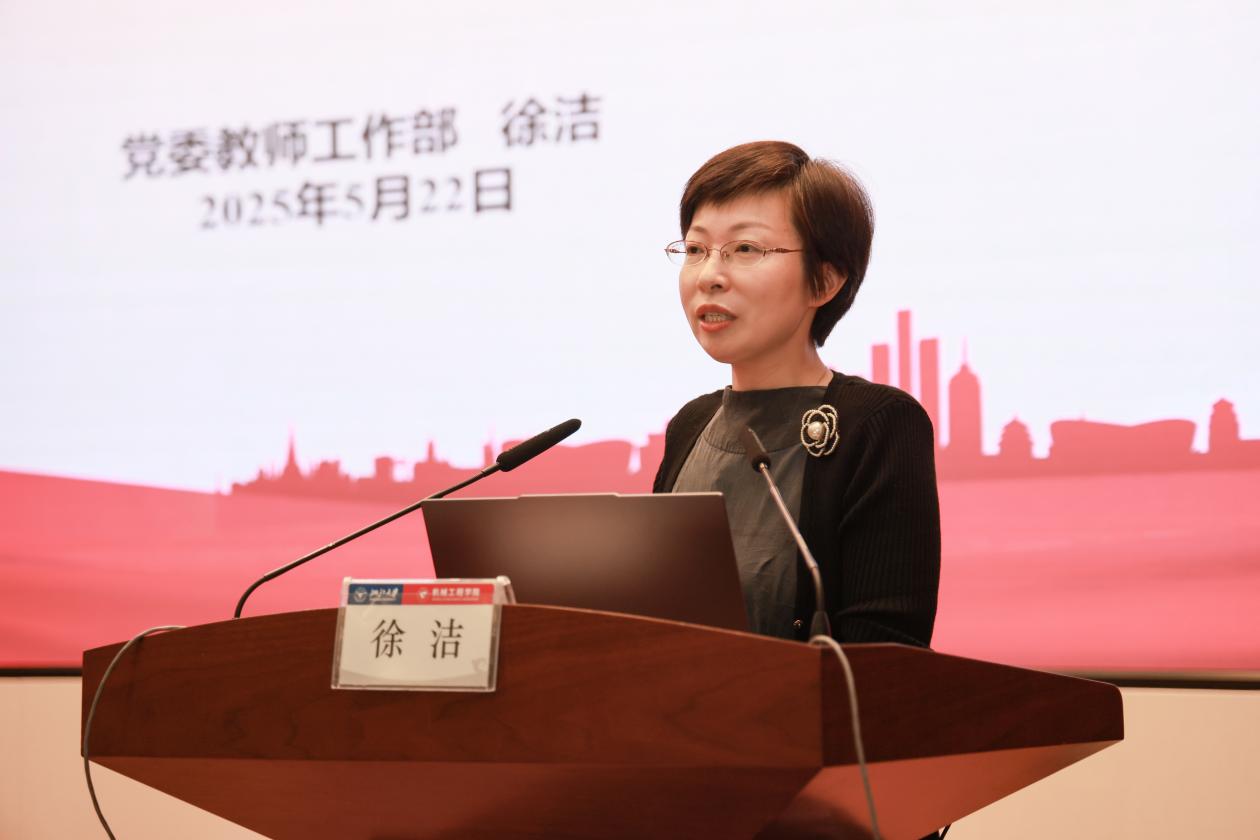
Xu Jie delivered a special report titled "Teacher-Student Relationships and Professional Ethics Construction," focusing on the core content of teacher-student relationships and elaborating on the significance of professional ethics construction. In the information age, issues related to professional ethics can be easily magnified, with high public opinion risks and great handling difficulties. Through negative case analysis, she further clarified the connotation of professional ethics norms, emphasized strengthening bottom-line awareness, and put forward targeted management suggestions. Professional ethics construction requires not only strengthening self-examination and educational guidance but also legally protecting teachers' legitimate rights and interests and properly handling teacher-student conflicts. It is hoped that all faculty members will improve their own qualities, consciously practice the spirit of educators, build harmonious and healthy teacher-student relationships, and ensure the smooth progress of scientific research and teaching work.
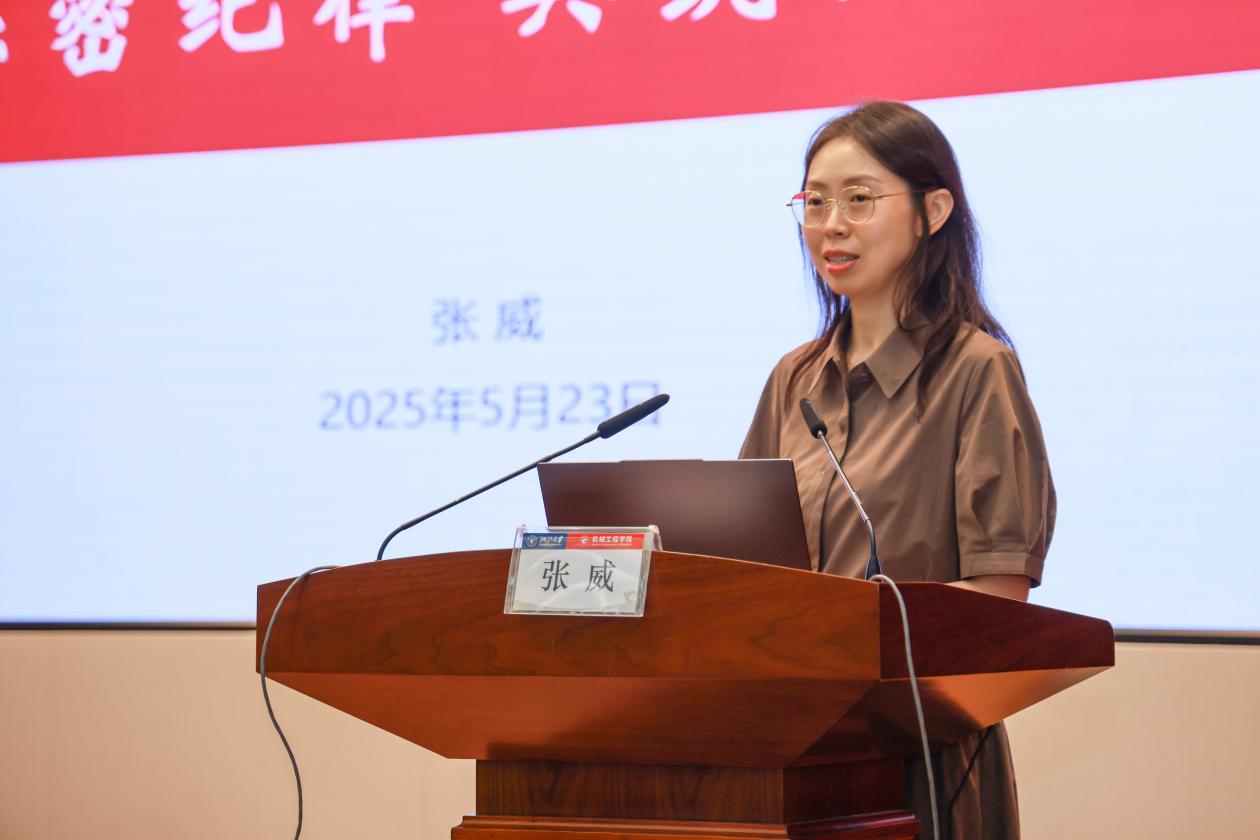
Zhang Wei delivered a special report titled "Strictly Adhering to Confidentiality Discipline, Jointly Building a Confidentiality Defense Line," focusing on interpreting the core requirements and practical norms of confidentiality work in universities. She emphasized that confidentiality work concerns national security and development interests, and one must always remember that "there are no trivial matters in confidentiality work." Through case analysis, she systematically expounded on key points such as the behavior norms of confidential personnel, classification management precautions, and non-confidential project publicity standards. She hopes that all faculty members take these cases as warnings, enhance their understanding of confidentiality, clarify the boundaries between confidential and non-confidential matters, build a strong confidentiality defense line, and effectively safeguard the safety of individuals, campuses, and the nation.
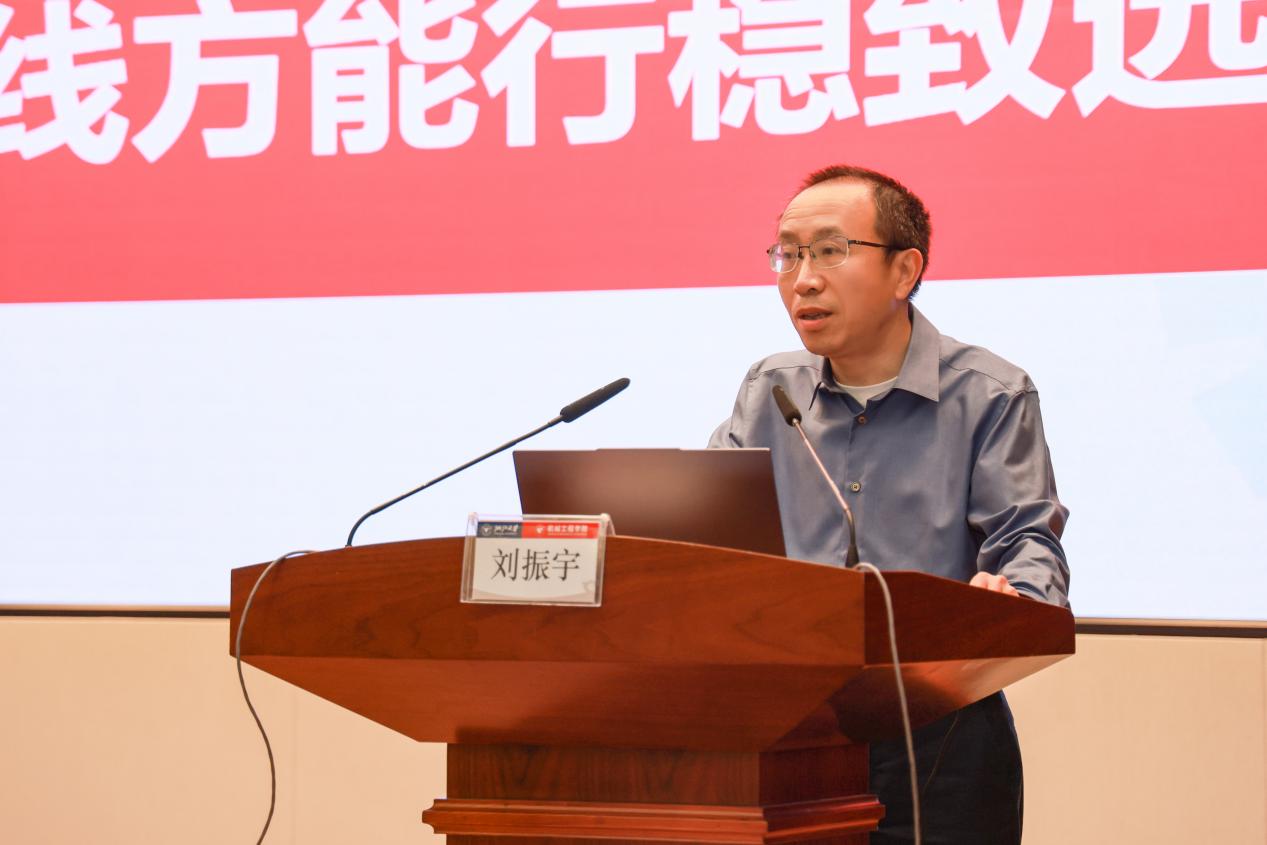
Liu Zhenyu delivered a special report on deeply implementing the spirit of the Central Eight Provisions. He systematically reviewed the Central Eight Provisions and its detailed implementation rules, learned from warning education case examples, and combined them with the school's theme education implementation plan to make arrangements for promoting strict adherence to disciplinary red lines and deepening the effectiveness of theme education work among faculty and staff. Subsequently, Liu Zhenyu also interpreted relevant policies, regulations, and school work requirements regarding campus safety and propaganda ideology.
Through the four special reports, this conference further strengthened the bottom-line thinking and rule awareness of faculty and staff, providing strong guarantees for the steady and far-reaching development of all the school's undertakings in the future.
Editor: Zhang Sunshuyi
Reviewer: Yu Lei